




Advertisement
Parents walking into a shoe shop with a toddler in tow often carry a handful of assumptions picked up from relatives, forums, or vague memories of their own childhood. Some of those ideas hold up; many do not. primigi.it, a brand that has spent decades studying how small feet move and grow, offers a useful lens for separating genuine fitting principles from marketing noise.
The Rapid Growth Myth: How Often Children’s Feet Really Change Size
The phrase “growing almost before the eyes” gets repeated so often it starts to sound like folklore, yet Primigi’s own blog content addresses exactly this question under the heading “Diventare grandi,” noting that within the space of a few weeks a child’s shoes can stop fitting. That is not the same as claiming feet grow at a fixed, predictable rate for every child; it simply acknowledges that the interval parents assume is safe between size checks is often shorter than expected. The practical takeaway sits less in a specific number of weeks and more in the habit of checking regularly rather than relying on last season’s size as a safe default.
Barefoot Technology Misconceptions: What Primigi’s Barefoot Collection Actually Does
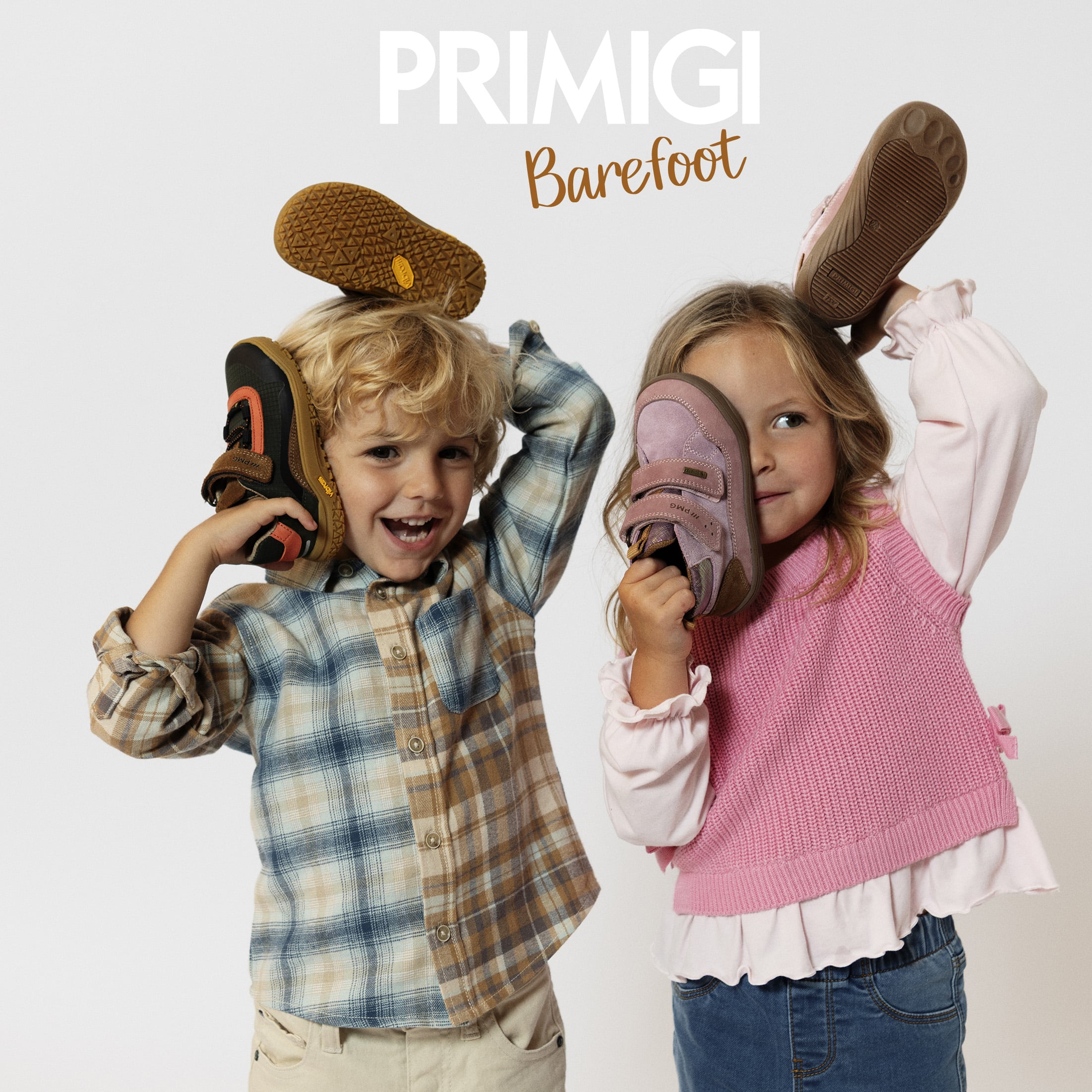
The word “barefoot” attached to a children’s shoe can suggest all sorts of things, from minimalism to orthopedic correction, depending on which brand is talking. primigi.it frames its Barefoot line around the idea of walking as if with naked feet, a description that points to flexibility and a close-to-the-ground feel rather than any corrective or medical function. The site presents this as one of several named technologies sitting alongside Gore-Tex and Michelin under what it calls “Tecnologie” offering, as the brand puts it, “performance diverse, stessa qualità,” meaning different performances built on the same underlying quality standard. Nothing in that presentation claims the Barefoot range treats or prevents a foot condition, and reading it as such would be an overreach.
Flexible Soles Don’t Equal Proper Support: Inside Primigi’s Ergonomic Design System

A flexible sole is often treated by parents as the single marker of a “good” children’s shoe, as if bendiness alone settles the matter. The primigi.it System, described on the brand’s own product pages, breaks support down into several distinct features rather than one. These include an ergonomic shape design calibrated to leave room for the foot to move without constriction, a rear shock absorber built into the sole at the heel with what the brand calls an “air chamber” to cushion everyday micro-impacts, and a breathable anatomical insole covered in soft material under the name Sky Effect System. None of these elements is described as replacing the others, which suggests that sole flexibility is only one ingredient among several rather than a stand-alone guarantee of fit quality.
Why Ease of Dressing Matters More Than Parents Think in Primigi Shoes
Fastening a shoe onto a wriggling toddler is a daily skirmish that rarely gets discussed in fitting guides, yet it is treated as a design priority on Primigi’s own pages. The brand states that its shoe shapes are specifically drawn and studied for a child’s foot and that the laces and openings are conceived for easy entry and a comfortable fit, a detail filed under “Facili da Calzare” in its technology breakdown. This is a different claim from comfort once worn; it is about the mechanics of getting the shoe on in the first place, which matters in a household running on limited patience and limited time. Slippers from the same house, including models aimed at early walkers with strap closures, are marketed on the description “facili da indossare, morbide e con suola flessibile,” tying the dressing-ease point directly to the slipper range as well as to outdoor footwear.
Gore-Tex and Weather Protection: What These Technologies Do (and Don’t) Accomplish
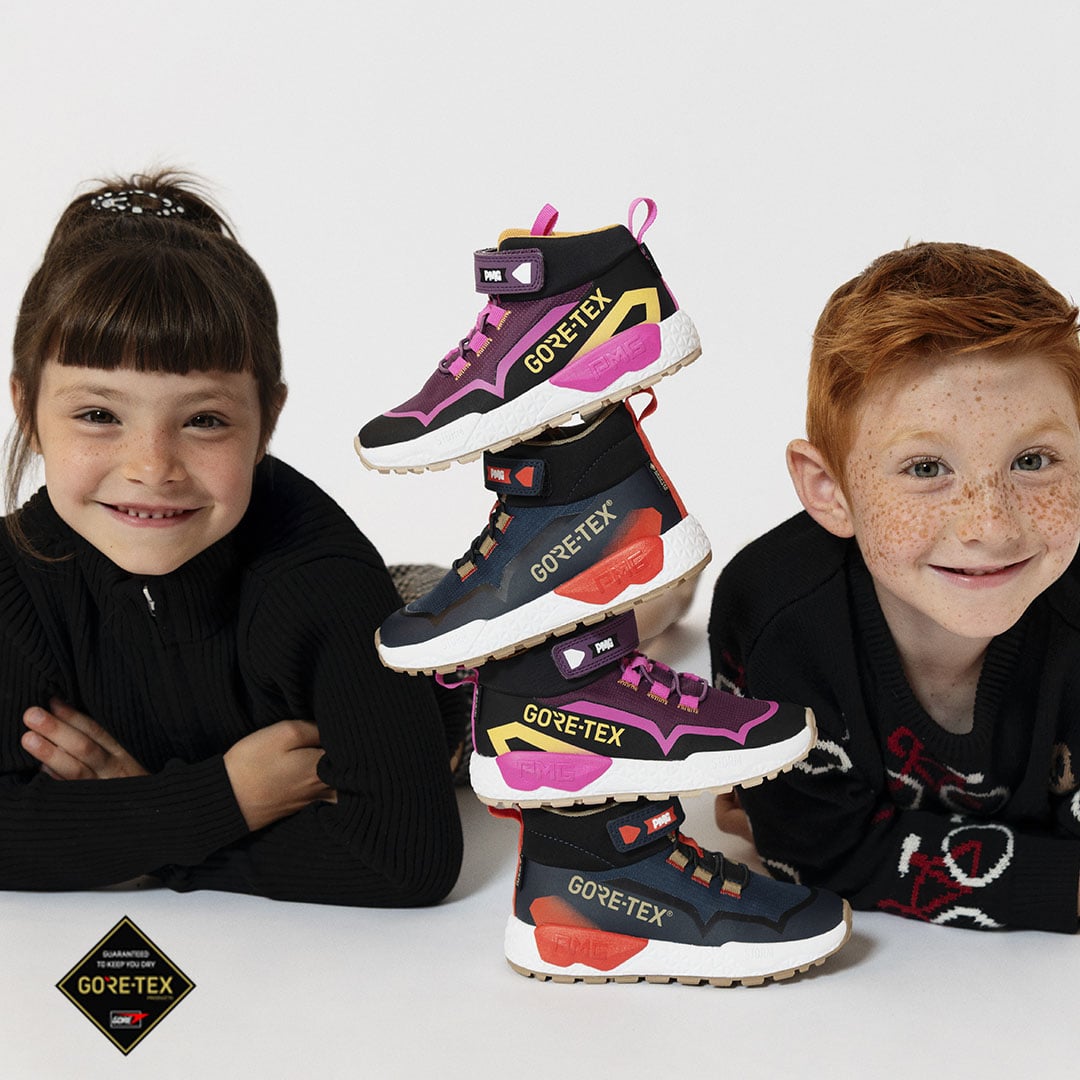
Seasonal shoe shopping tends to produce its own set of assumptions, chief among them that any shoe labelled waterproof will perform identically regardless of conditions. primigi.it lists Gore-Tex as one of its named technologies, promoted on the homepage through sneakers described as ready for puddles and jumps, alongside a separate story titled “Scarpe per pioggia e neve? C’è GORE-TEX by Primigi.” Michelin is listed as a distinct technology on the same page, suggesting it addresses a different aspect of performance rather than duplicating what Gore-Tex covers. The brand’s own structure, presenting these as separate named technologies rather than a single all-purpose weatherproofing claim, is itself a useful corrective to the idea that one feature covers every seasonal need.
Infant Shoe Sizing Errors: Primigi’s PrimiSogni Approach to Early Foot Development
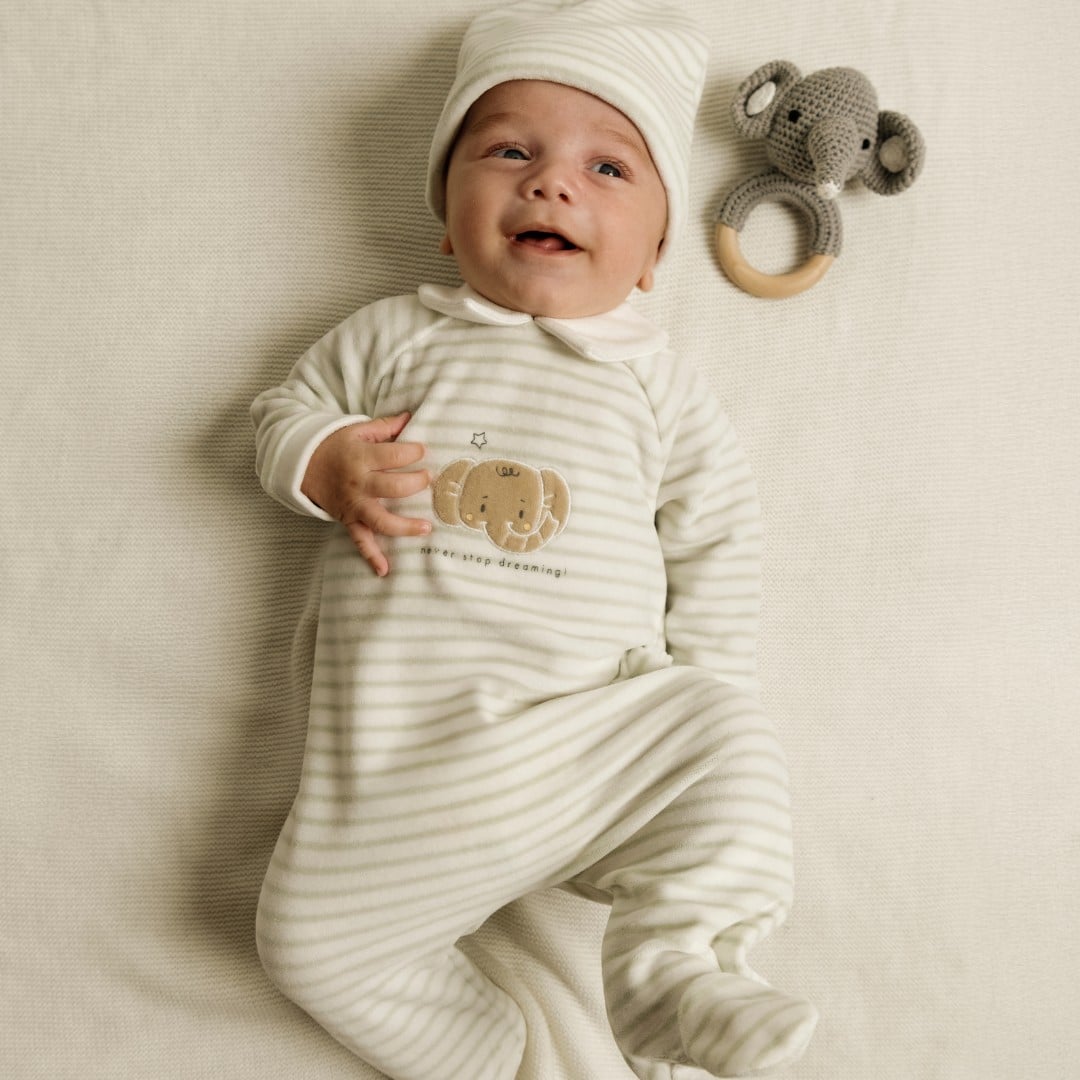
For the very youngest feet, primigi.it runs a dedicated line called PrimiSogni, described as the collection devoted to the newborn and presented with its own seasonal story content, including a PrimiSogni FW25 feature. The newborn clothing and footwear range on the site spans items for babies from 0 to 12 months, covering soft materials intended to avoid skin irritation alongside small first shoes and slippers priced from around 14,99 to 19,99 euro depending on the item. Treating a newborn shoe as a scaled-down version of a toddler shoe is one of the more common sizing errors, and the existence of a separate, dedicated newborn line on the brand’s site is a structural signal that early foot development is being handled as its own category rather than an afterthought.
- Measuring a child’s foot only once per season rather than checking length every few weeks can leave a shoe in use well past the point it still fits properly.
- Assuming a single pair of shoes can handle every weather condition overlooks that rain, snow, and dry heat call for different named technologies rather than one universal feature.
- Judging shoe quality by sole flexibility alone ignores other elements such as heel cushioning and insole material that also play a role in how a shoe sits on the foot.
- Buying newborn footwear in the same style as toddler shoes, rather than from a line built specifically for the 0 to 12 month range, can mean missing details suited to that early stage.
- Choosing a shoe based on how protective it sounds on packaging, rather than checking which specific technology it actually carries, can lead to paying for a feature the shoe does not have.
None of this turns children’s shoe shopping into an exact science, and no brand page promises that it does. What the breakdown above suggests is that sizing, seasonal choice, and the language printed on a shoe box deserve a bit more scrutiny than habit usually allows.