




Advertisement
It’s an overwhelming time to be a compassionate person. Every day, the news cycle shows us seismic global challenges, from devastating earthquakes and floods to protracted, heartbreaking conflicts. This flood of information can leave us feeling helpless, paralyzed by the scale of the suffering. We want to help, but the questions stop us: Where do I even start? Who can I trust? Does my small donation even make a difference?
This is the space Muslim Aid has been working in for nearly four decades. It’s an organization built to be a bridge between a person’s desire to give and the person who desperately needs to receive. It’s not just a “charity”; it’s one of the world’s most established faith-based humanitarian infrastructures, designed to turn empathy into effective, life-saving action.
A Guide to Giving with Muslim Aid
- Emergency & Crisis Response: This is the fast, immediate, life-saving aid. When a disaster strikes (like in Gaza, Syria, or after the earthquakes in Turkey and Morocco), these funds provide food parcels, clean water, medical supplies, and shelter.
- Zakat Donations: For Muslim donors, this is a crucial, faith-compliant service. Muslim Aid ensures your obligatory Zakat is calculated and distributed correctly to those who are eligible under Islamic principles.1
- Qurbani Program: A seasonal program for Eid al-Adha.2 The organization manages the entire process of providing fresh, high-quality meat to impoverished communities around the world, often the only time they’ll receive it all year.3
- Sadaqah Jariyah (Long-Term Development): This is “ongoing charity.” These donations build things that last, such as water wells, schools, and health clinics, creating a legacy that benefits communities for years to come.
A Legacy Built on Trust, Not Trends
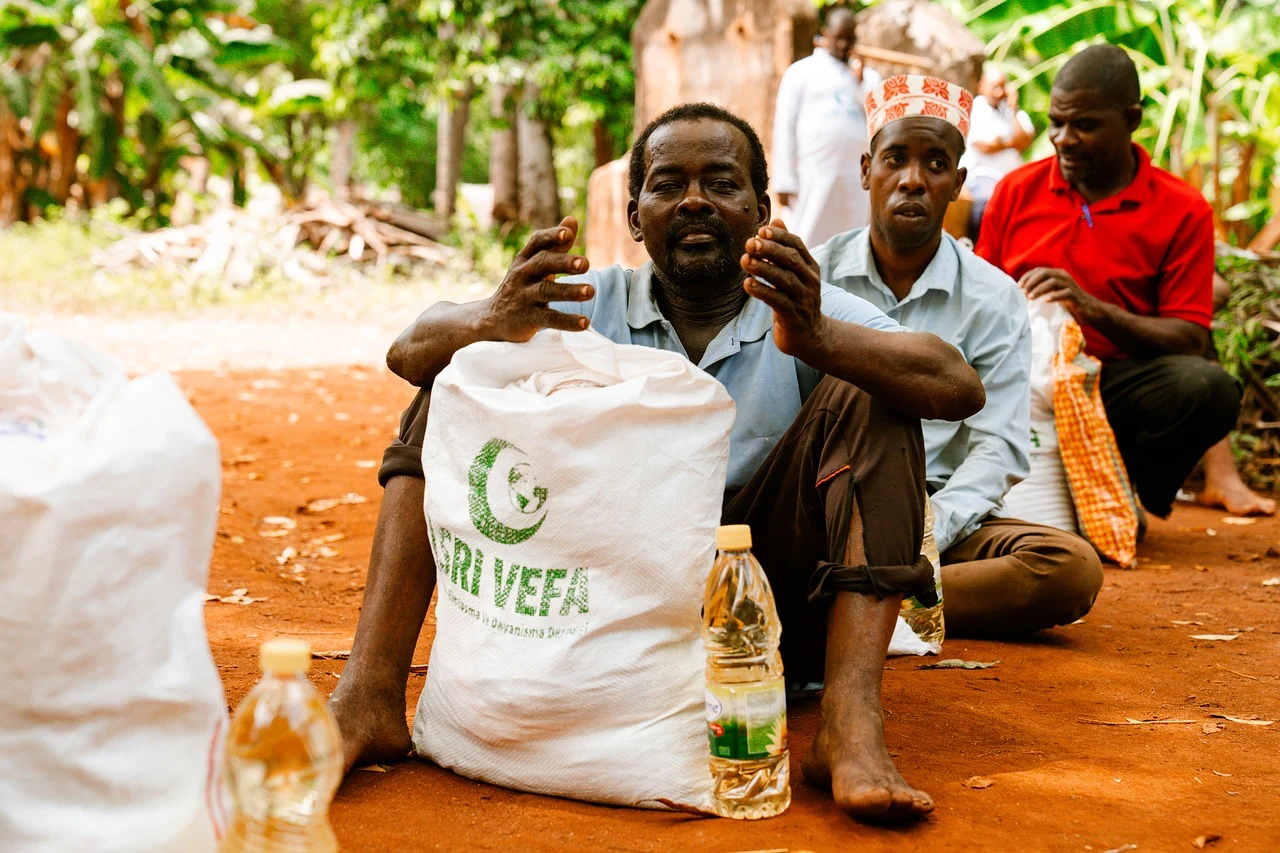
In the charity sector, longevity is a sign of trust. Muslim Aid wasn’t created in response to a recent crisis; it was founded in London in 1985 by community leaders in response to the famine in the Horn of Africa.4 This nearly 40-year history is important. It means they haven’t had to build a global logistics network from scratch every time a new disaster hits.
They have deep, established roots and on-the-ground partners in over 70 countries.5 This infrastructure is what allows them to be among the first responders, whether it’s in a well-reported conflict or a forgotten crisis far from the media’s gaze. Their mission is faith-inspired, built on the Islamic principles of sincerity (Ihsan), justice, and compassion. But their aid is universal, serving humanity regardless of faith, race, or gender.6
The Two Pillars: Responding Now vs. Building for Tomorrow
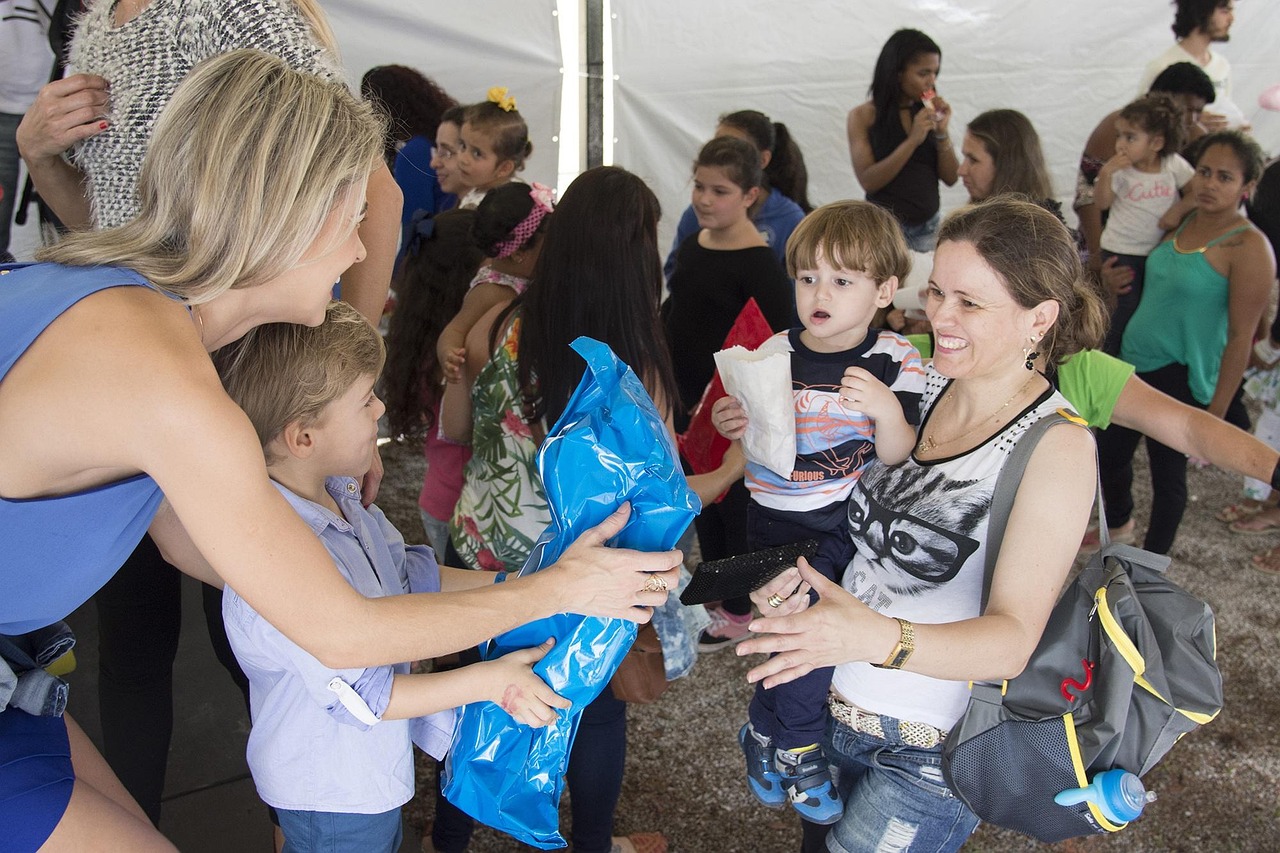
Understanding how a charity works is key to trusting it. Muslim Aid’s approach is twofold: immediate relief and long-term development.
The first pillar is Emergency Response. This is what you see in the headlines. When an earthquake flattens a city or conflict displaces millions, the first 72 hours are critical.7 This fund is about saving lives, fast. A donation to their emergency fund doesn’t get debated in a boardroom; it’s immediately converted into tangible goods like blankets, food parcels, hygiene kits, and medical aid that are already positioned to be deployed by their local partners.
The second, quieter pillar is sustainable development, or Sadaqah Jariyah. This is the work that breaks the cycle of poverty. It’s proactive, not reactive. This is where your donation builds a community well, giving hundreds of people clean water for decades. It’s the funding that builds a school for girls, a health clinic for new mothers, or a livelihood program that teaches a family a sustainable trade. This long-term work is often less visible, but it is the true engine of change.
A Specific Service for a Faithful Donor

What makes an organization like Muslim Aid distinct is its deep understanding of faith-based giving, specifically Zakat. For Muslims, Zakat is not optional “charity”; it is one of the five pillars of Islam, an obligatory, calculated annual payment.8 It is an act of worship, and there are strict rules about who can receive it.9
This creates a complex challenge for a modern donor: how do you ensure your Zakat is paid correctly and reaches those who are eligible? This is a core service Muslim Aid provides. They have scholars and systems in place to manage Zakat funds separately, ensuring 100% of that donation goes to eligible recipients in a way that fulfills the donor’s religious duty.
The Qurbani program is another perfect example. During the festival of Eid al-Adha, it is a tradition to sacrifice an animal.10 Muslim Aid acts as the donor’s proxy, managing this complex logistical process across the globe, ensuring that fresh, high-quality meat is distributed to the poorest communities, allowing them to celebrate Eid with dignity.11
An Answer to Helplessness
It’s easy to become cynical. To see the scale of the world’s problems and believe that nothing can be done. But organizations like Muslim Aid are a powerful antidote to that despair. They are a reminder that a well-organized, trusted, and transparent system can achieve what a single individual cannot.
They are a global logistics network guided by a spiritual mission. They are registered with the UK’s Charity Commission, publishing annual reports that detail where the money comes from and where it goes.12
When you make a donation, you aren’t just tossing a coin into a void and hoping for the best. You are plugging into a decades-old infrastructure. You are funding a food parcel that will be in a specific family’s hands. You are building a well that will have a specific location. You are paying your Zakat with the assurance that it will be handled with the religious integrity it requires. It’s a direct, effective, and trustworthy response to that all-too-human feeling of wanting to help.